BRIGHT, SWEET, VIBRANT
Burundi Coffee Beans
Burundi coffee beans deliver bright fruit flavors, lively acidity, and a sweet, clean finish. Expect juicy berry notes, floral aromas, and a cup full of character and charm.
Experience the Distinct Taste of Burundi Coffee
Burundi may be a small country, but its coffee makes a big impression on the world stage. Nestled in East Africa’s highlands, Burundi grows premium Arabica beans at impressive elevations, often above 5,000 feet. These conditions, combined with fertile soil and traditional hand-processing, create coffee with lively brightness, juicy fruit flavors, and remarkable complexity. Known for their clean, sweet finish, Burundi beans are highly prized among coffee enthusiasts looking for unique, high-quality origins. At That’s Coffee, we roast Burundi coffee beans to highlight their vibrant flavor profiles and showcase why this emerging origin continues to capture the attention of coffee lovers worldwide.
On all US orders
Roasted daily in small batches
Largest selection of online coffee
Showing all 4 resultsSorted by average rating
-

AA Burundi Kirimiro Green Coffee Beans
Price range: $15.95 through $71.95 — available on subscriptionSelect options This product has multiple variants. The options may be chosen on the product page -
Exotic Coffee Beans – Light to Med Coffee Gift Sets
$67.95Select options This product has multiple variants. The options may be chosen on the product page -
Flavors of Africa Coffee Sampler
$55.95Select options This product has multiple variants. The options may be chosen on the product page -

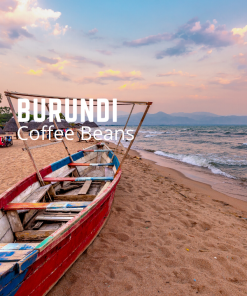
AA Burundi Coffee Beans
Price range: $14.95 through $99.95 — available on subscriptionSelect options This product has multiple variants. The options may be chosen on the product page
Why Our Customers Love Burundi Coffee
Characteristics of Coffee Beans from Burundi
Flavor Profile: Burundi coffee often showcases juicy berry and citrus notes, layered with subtle floral and spice undertones. Its bright, fruit-forward flavors make it stand out among East African coffees.
Processing Methods: Most beans are fully washed at small washing stations, a process that enhances clarity and brightness. Natural processing is less common but produces rich, fruity flavors when used.
Body & Acidity: Expect a medium body with crisp, lively acidity. This balance creates a refreshing, juicy cup that appeals to those who enjoy clean and vibrant coffees.
Aroma: Burundi beans offer fragrant aromas of red berries, citrus blossoms, and sweet spice, making the brewing process as enticing as the first sip.
Burundi’s Coffee Stats – By the Number
Global Rank: Burundi is among the top 30 coffee producers worldwide.
Annual Production: Around 170,000–200,000 60-kg bags per year.
Key Growing Regions: Kayanza, Ngozi, Muyinga, and Kirundo provinces.
Altitude Range: 1,200 – 2,000 meters (4,000 – 6,600 feet) above sea level.
Harvest Season: April to July, with smaller fly crops in some areas.
Coffee Culture and History in Burundi
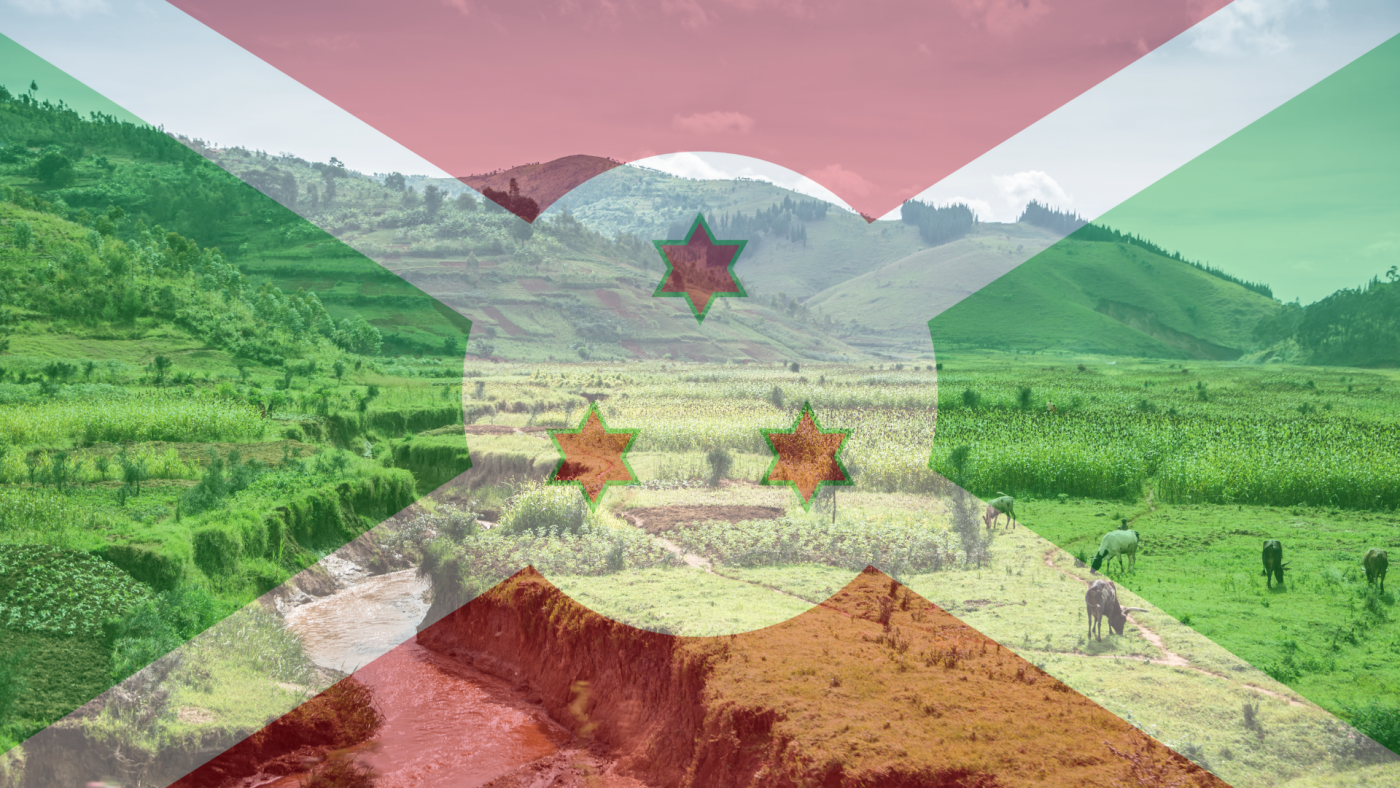
Coffee has been central to Burundi’s economy and culture since its introduction during the colonial era in the early 20th century. Over the decades, coffee became the country’s most important export, providing income for hundreds of thousands of smallholder farmers who typically cultivate less than a hectare of land each.
Today, nearly every rural family in Burundi has some connection to coffee production. Beans are carefully hand-picked and processed at local washing stations, where traditional methods ensure consistency and quality. Despite challenges from political instability and limited infrastructure, Burundi’s commitment to coffee remains strong.
In recent years, international recognition has grown for the country’s exceptional Arabica beans, often compared to its East African neighbor, Rwanda. With their lively fruit flavors, floral aromas, and bright acidity, Burundi coffees are a point of national pride and a testament to the resilience and dedication of its farmers.
FAQs About Burundi Coffee Beans
Burundi coffee beans are gaining recognition around the globe. Here are answers to some of the most common questions coffee drinkers ask.
Can’t find an Answer?
"*" indicates required fields